
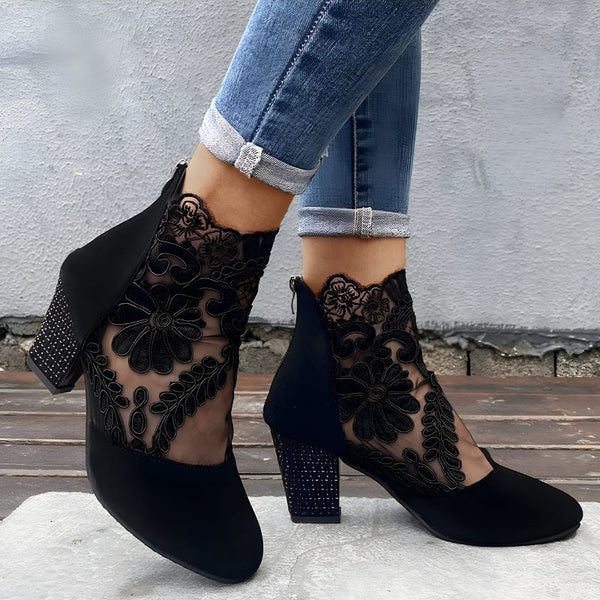


Suede or Leather Boots: Choosing for Your Winter
Suede and smooth leather are the same material finished two ways, and the finish decides how a boot survives a season more than the style does. The right choice depends on your weather and on how much care you are willing to give, so it is worth deciding on that before choosing a shape.
What the finish actually is
Smooth leather is the hide with its grain side out, sealed and often polished. Suede is the same hide with the flesh side out, buffed into a nap. The nap is what makes suede soft and matte, and it is also what soaks up water and holds dirt.
Wet cities favour leather
Sealed leather sheds rain and salt with a wipe. Suede darkens where it gets wet and can water-stain permanently if it dries unevenly. If your winter is wet pavements and slush, smooth leather is the lower-maintenance boot by a wide margin.
Dry cold favours suede
Where winters are cold and dry, suede comes into its own: it is lighter, breaks in faster, and its texture suits knitwear and wool. A protective spray applied before the first wear buys real resistance to the occasional shower.
Care each one needs
Leather wants a brush after wear, a wipe when wet, and a conditioner two or three times a season. Suede wants a dedicated brush to lift the nap, an eraser for marks, and to be kept away from radiators when damp. Neither is difficult; suede simply forgives less.
How they age
Leather develops creases and a shine at the flex points that most people like. Suede flattens where it rubs and can look tired at the toe sooner. Rotating two pairs so each gets a day to dry between wears extends both by years.
The sole matters as much as the upper
Whichever finish you choose, the sole decides how the boot copes with a wet pavement. A rubber sole with a defined tread grips where a smooth leather sole slides, and a stitched sole can be replaced by a cobbler when it wears, which a glued one usually cannot. Look for the heel to be a separate block rather than moulded with the sole, since a worn heel is a cheap repair and a worn one-piece sole is not.
Sizing either one
Boots list their measurements on the product page; measure your foot at the end of the day when it is largest, allow for winter socks, and if you sit between sizes take the larger. The Return and Refund Policy allows 30 days if the fit is wrong, the FAQ covers common sizing questions, and the Contact Us page reaches us directly.